A step-by-step look at the technical, administrative and operational stages of a charging-station project, from needs analysis to commissioning.
Installing an EV charging station involves much more than fixing the right device to a wall or foundation. Power demand, protective devices, connectivity, user flow, permits and operating responsibility need to be managed as one project.
The 7 Core Stages of Installation
Needs analysis
The AC/DC requirement is defined from site type, expected users, parking duration and vehicle profile.
Site survey
Electrical capacity, boards and transformer, cable route, parking spaces, connectivity and access are reviewed.
Electrical design
Power calculations, protection, cable sizes, earthing, metering and load management where needed are designed.
Permits and approvals
Property or right-of-use, distribution-company and local-authority processes are completed for the project.
Enabling works and mounting
After trenching, trays, foundations, barriers, boards and power cables are complete, the charger is mounted safely.
Connectivity and platform registration
The station joins the network and remote management, payment, tariff and support workflows are configured.
Testing and commissioning
Electrical tests, a trial charge, emergency controls and remote monitoring are verified before operation.
Should the Site Use AC or DC?
| Site example | Primary approach | Reason |
|---|---|---|
| Residential / workplace | AC with load management | Long dwell time and controlled power use |
| Hotel / shopping centre | AC + DC according to demand | Serving different parking durations |
| Motorway / rest area | DC fast charging | High energy demand during a short stop |
| Fleet depot | Mixed solution designed for operations | Routes, shifts and simultaneous vehicle count |
This table is a starting framework. Final selection should be validated against site capacity, operating objectives and real user behaviour.
Commissioning Checks
- Test results for earthing, residual-current and other protective devices
- Connector locking, emergency stop and physical protection
- Accurate communication of meter, energy measurement and tariff data
- OCPP connection, remote start/stop and status reporting
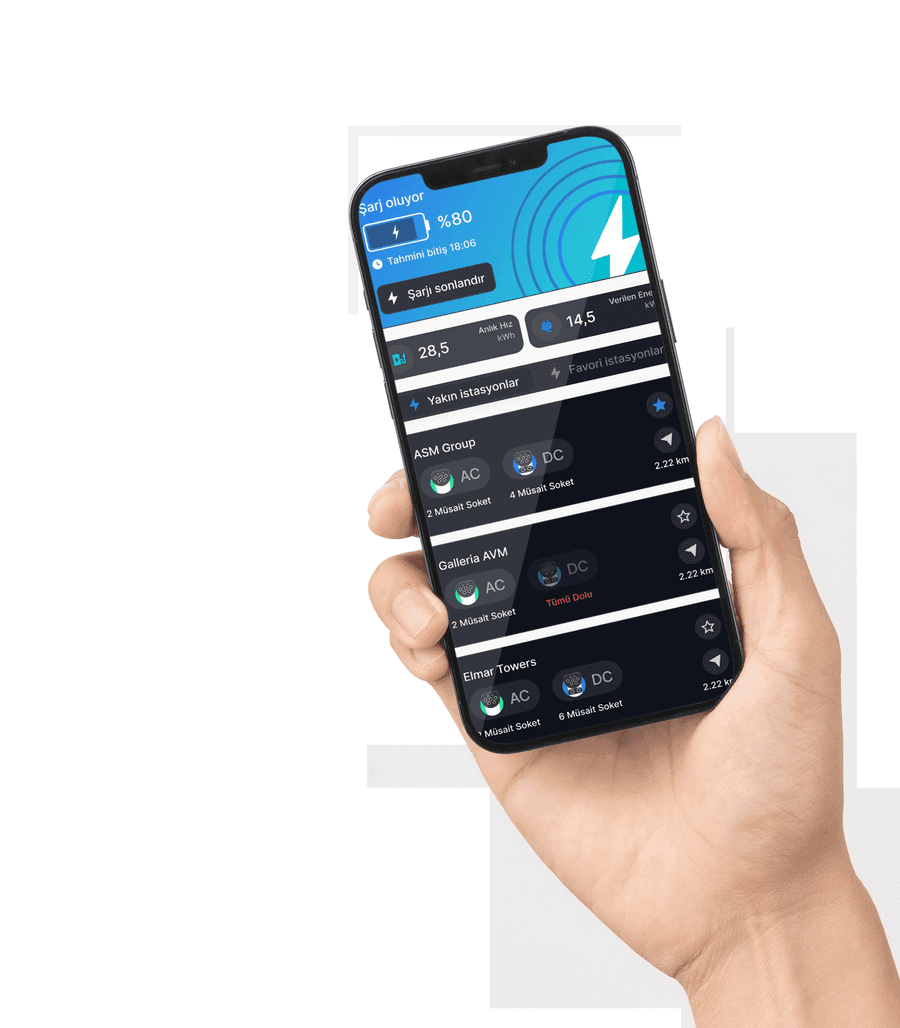
- Mobile app, payment and call-centre scenarios
- Site markings, lighting and user wayfinding
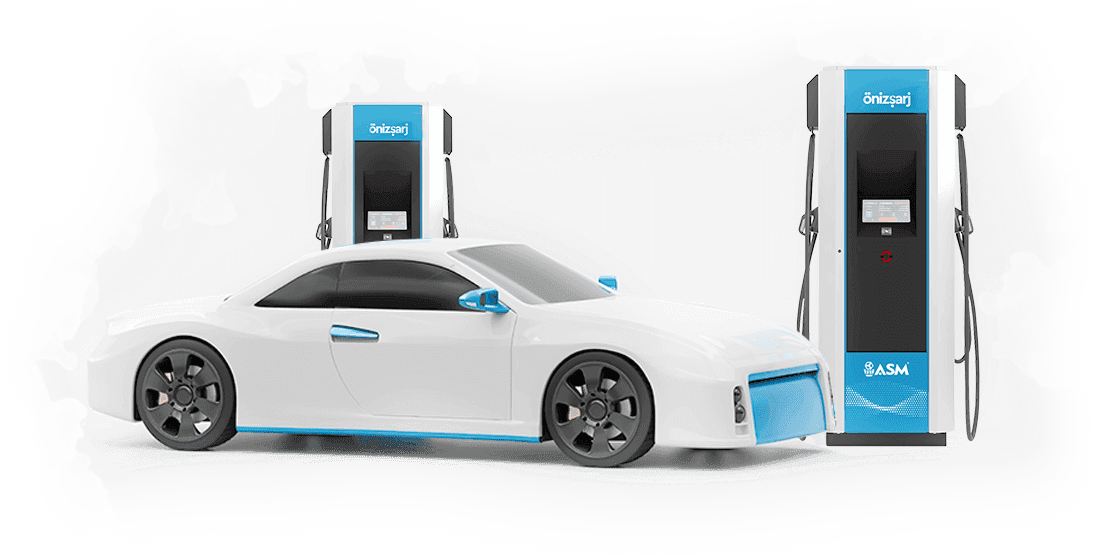
önizşarj coordinates site survey, design, hardware supply, installation, network integration and operations, reducing the technical and operational burden on the location owner.
Sources
- 1.EMRA — Charging Network Operator Licence
- 2.NREL — Electric Vehicle Charging Station Installation Handbook
This article was prepared editorially using the official and institutional sources listed above. Verify tariff and regulatory information at the current source before acting.