The journey from early experimental electric vehicles to modern battery cars, and the role charging infrastructure plays in that transition.
The electric car is not an invention of the modern era. Experiments with electric transport reach back to the first half of the nineteenth century, but today’s EV ecosystem became possible only when batteries, power electronics, software and charging infrastructure matured together.
Early Experiments and Competition
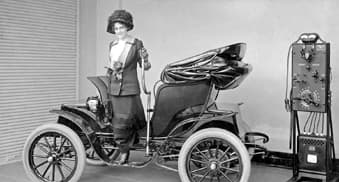
According to the US Department of Energy timeline, Robert Anderson developed an early electric vehicle around 1832, while practical electric cars appeared in the second half of the nineteenth century. In the early 1900s, electric, steam and petrol vehicles competed for the same market.
Electric cars were quiet and easy to operate. Limited range, the absence of charging infrastructure and falling petrol-car prices through mass production nevertheless pushed electric models into the background for decades.
What Accelerated the Return?
- Improved lithium-ion battery energy density and manufacturing scale
- Higher efficiency in motor control and power electronics
- Policies shaped by air-quality and climate objectives
- A wider selection of models from vehicle manufacturers
- Growth in home, workplace and public charging infrastructure
Electric Mobility in 2026
Electric vehicles are no longer limited to one body style or use case. Battery models span compact city cars, SUVs, light commercial vehicles and buses. The IEA’s 2026 outlook also highlights the need for vehicle deployment and public and private charging capacity to grow together.
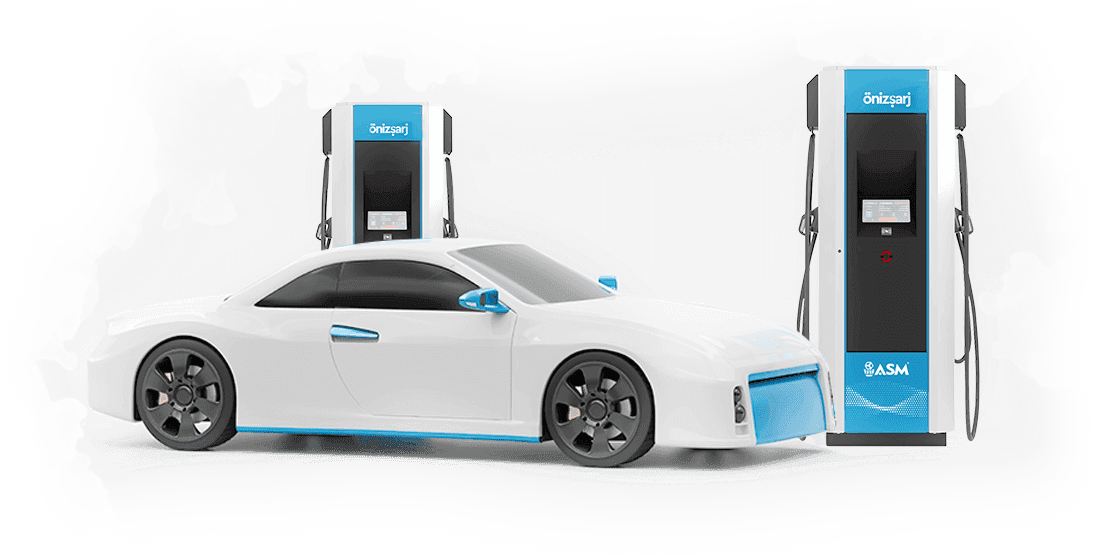
Home and workplace charging provide much of daily energy, while public fast charging remains critical for intercity travel and for users who cannot charge at home.
The Next Transformation
Smarter charging
Vehicles, chargers and the electricity system will coordinate demand more closely around time and available capacity.
A denser network
Reliable access to appropriately powered chargers will grow at homes, workplaces and road corridors.
A more transparent experience
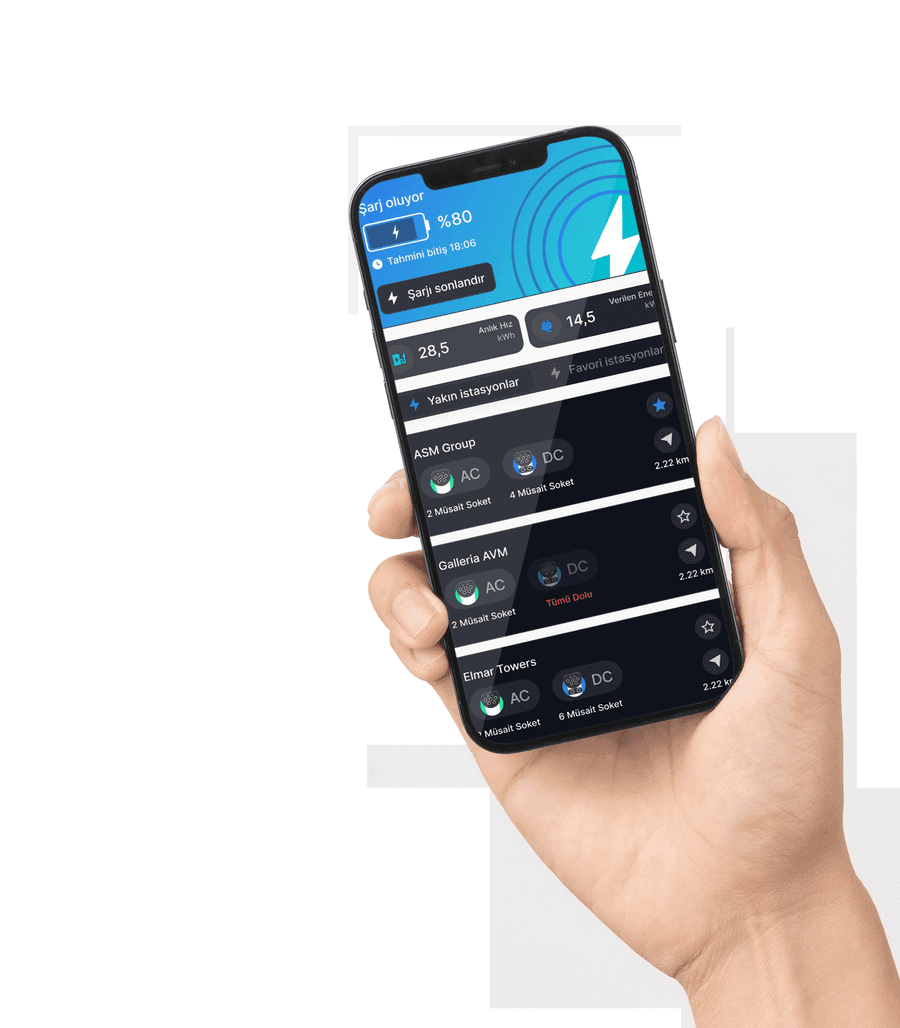
Live availability, pricing, payment and roaming information will make driver decisions easier.
Energy-system integration
Renewable generation, storage and bidirectional energy flow in compatible vehicles will become more important.
Sources
- 1.US Department of Energy — History of the Electric Car Timeline
- 2.IEA — Global EV Outlook 2026: Outlook for Electric Mobility
- 3.IEA — Global EV Outlook 2026: EV Charging
This article was prepared editorially using the official and institutional sources listed above. Verify tariff and regulatory information at the current source before acting.